 English
 Español
The Quality Impact of Declining Plastic Roof Tile Prices
The Quality Impact of Declining Plastic Roof Tile Prices
In the global roofing materials industry, plastic roof tiles—such as PVC tiles, ASA synthetic resin tiles, and polycarbonate roofing sheets—have become increasingly popular due to their lightweight structure, corrosion resistance, and cost-effectiveness. However, in recent years, the continuous decline in market prices has raised important discussions about its impact on product quality.
While lower prices can stimulate demand and expand market usage, they may also introduce challenges related to manufacturing standards, material selection, and long-term performance.
1. Pressure on Raw Material Quality
One of the most direct impacts of falling prices is the increased pressure on raw material costs. To maintain competitiveness, some manufacturers may:
- Use lower-grade PVC or recycled materials
- Reduce the proportion of UV-resistant additives
- Substitute premium ASA surface layers with cheaper alternatives
- Optimize formulations to reduce production costs
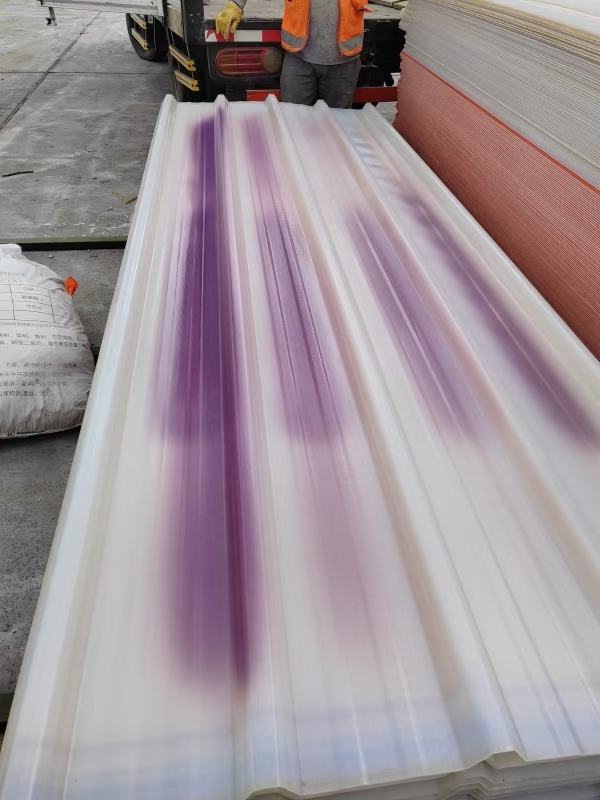
While these adjustments help lower prices, they can also affect key performance indicators such as durability, color stability, and weather resistance.
2. Reduced Product Lifespan in Low-End Markets
High-quality plastic roof tiles are typically designed for long-term outdoor exposure, often with lifespans exceeding 10–20 years under proper conditions. However, in lower-priced segments, reduced material quality may lead to:
- Faster color fading under UV exposure
- Increased brittleness over time
- Lower impact resistance during storms or hail
- Reduced thermal stability in extreme temperatures
- Higher risk of deformation or cracking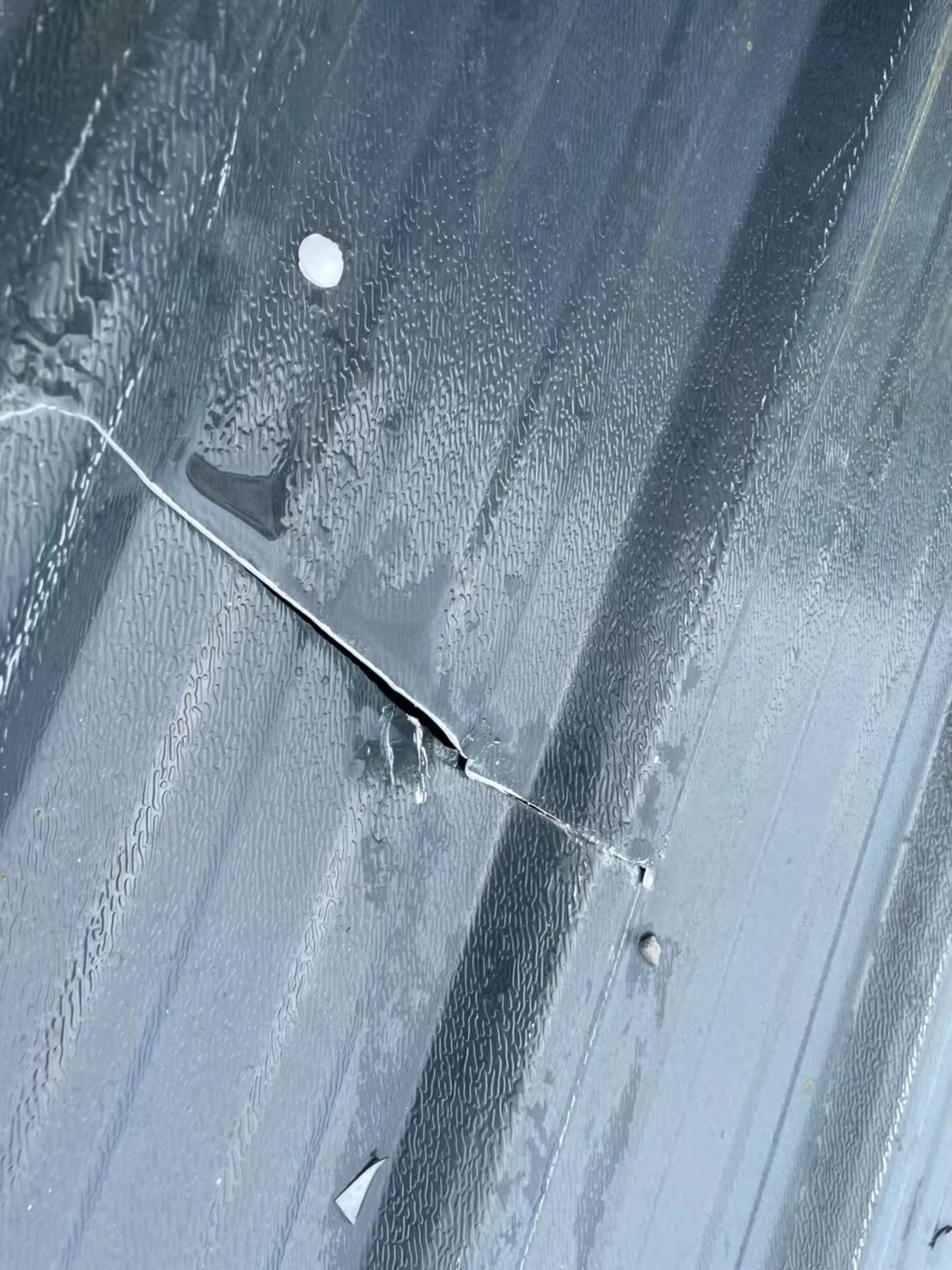
As a result, the actual service life of low-cost roofing products may be significantly shorter than premium alternatives.
3. Increased Market Segmentation
The price decline has also accelerated segmentation within the industry. The market is gradually dividing into:
- High-end products: Focused on durability, certifications, and performance guarantees
- Mid-range products: Balanced cost and quality for general construction
- Low-cost products: Price-driven solutions with minimal performance optimization
In this structure, quality differences become more pronounced, and customers must rely more heavily on supplier reputation and technical specifications.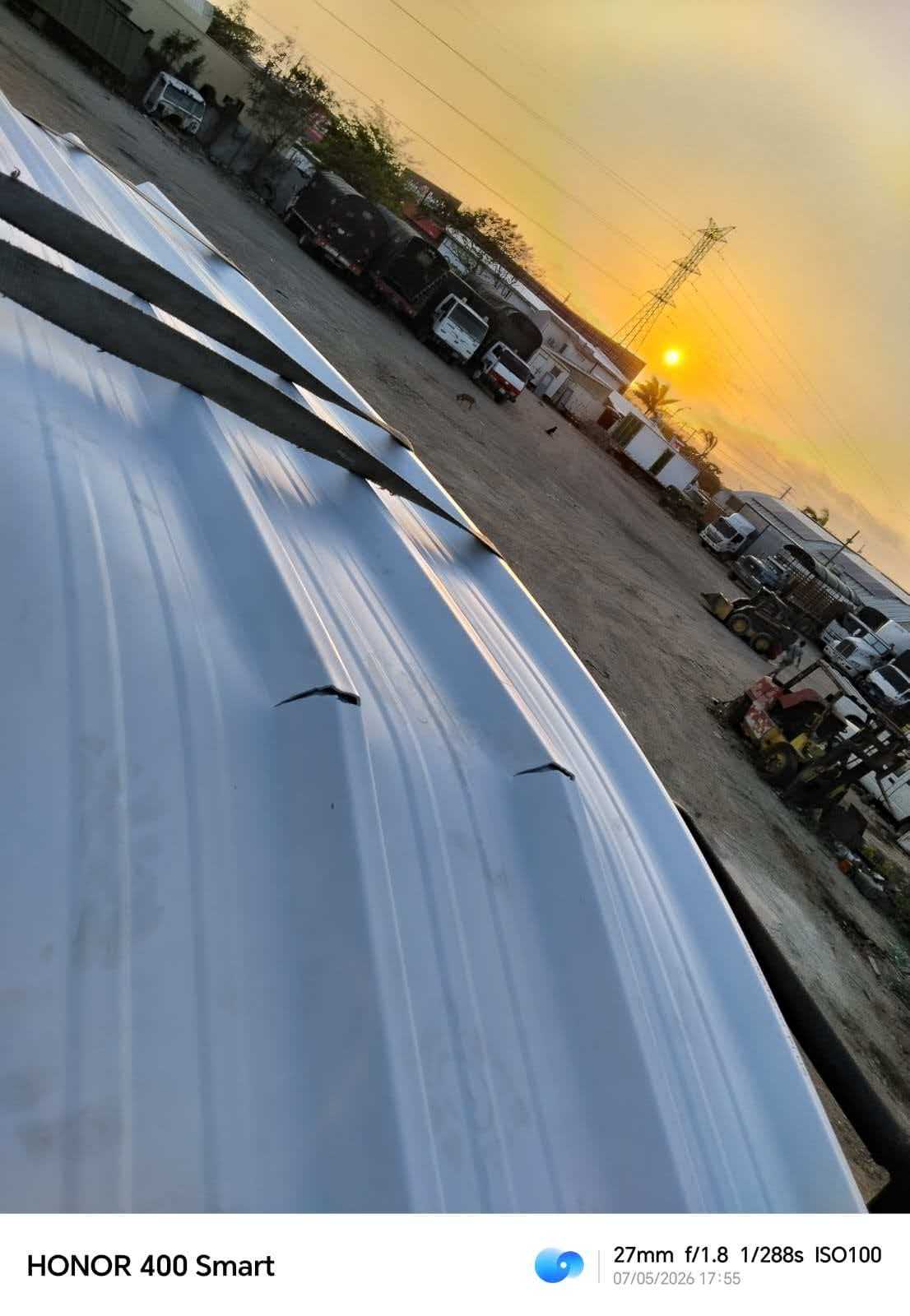
4. Risk of Inconsistent Manufacturing Standards
As competition intensifies, some small or less-regulated manufacturers may reduce quality control processes to lower costs. This can result in:
- Inconsistent thickness across batches
- Poor surface treatment or coating adhesion
- Lack of standardized testing procedures
- Weak UV protection performance
- Higher defect rates during installation
Such inconsistencies can damage overall industry reputation, even affecting well-established brands.
5. Impact on Customer Trust and Market Perception
When buyers experience quality issues with low-priced products, it may lead to a broader perception problem in the market. Customers may begin to associate plastic roof tiles with:
- Unreliable performance
- Short lifespan materials
- Low structural strength
This perception challenge forces reputable manufacturers to invest more in branding, certification, and product transparency to maintain trust.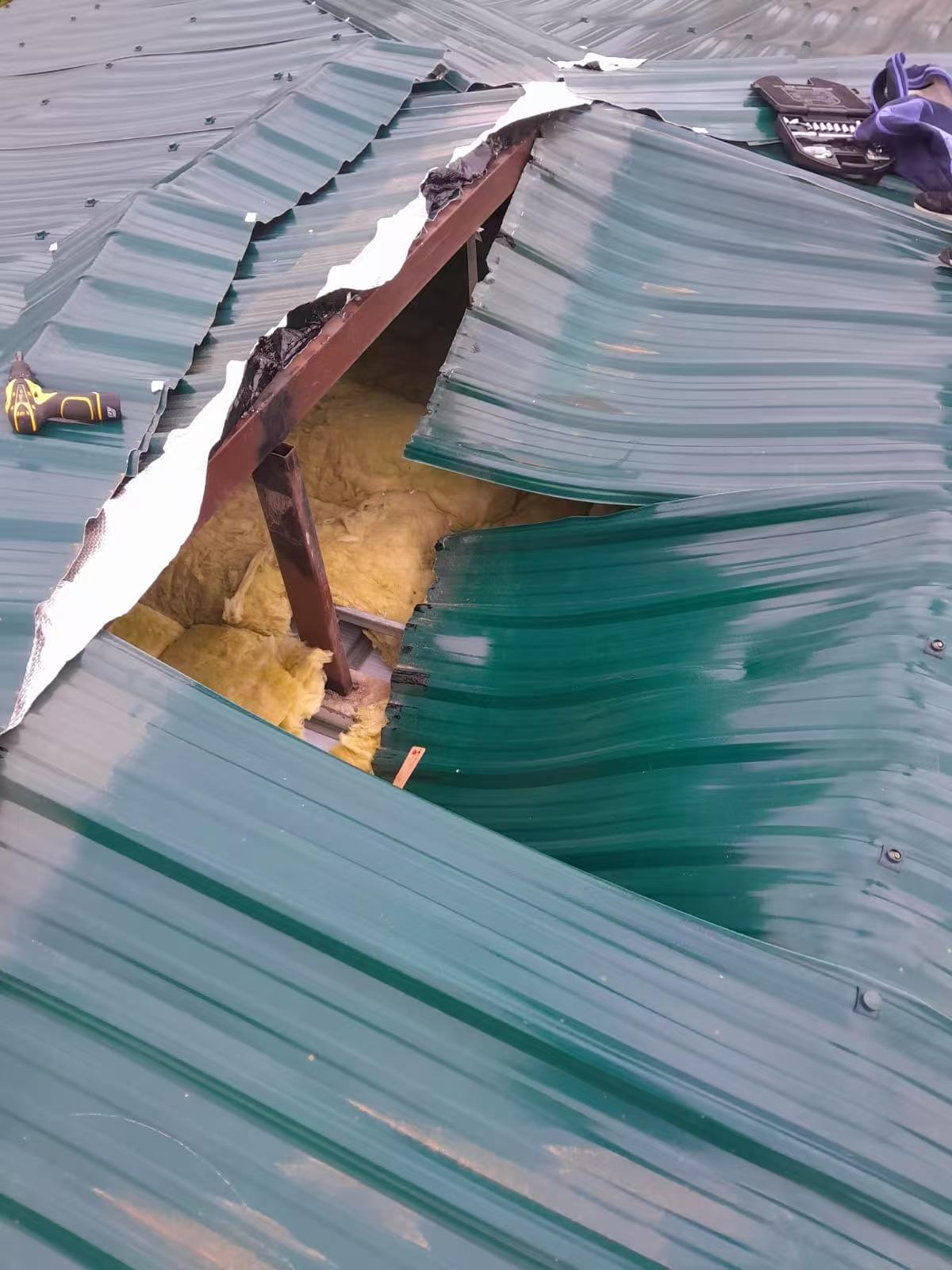
6. Positive Side: Technological Optimization Under Cost Pressure
Despite the risks, price competition is not entirely negative. It also drives manufacturers to innovate and optimize production processes, leading to:
- Improved extrusion and molding technologies
- More efficient use of raw materials
- Development of cost-effective but durable formulations
- Better automation and quality control systems
- Introduction of eco-friendly and recyclable materials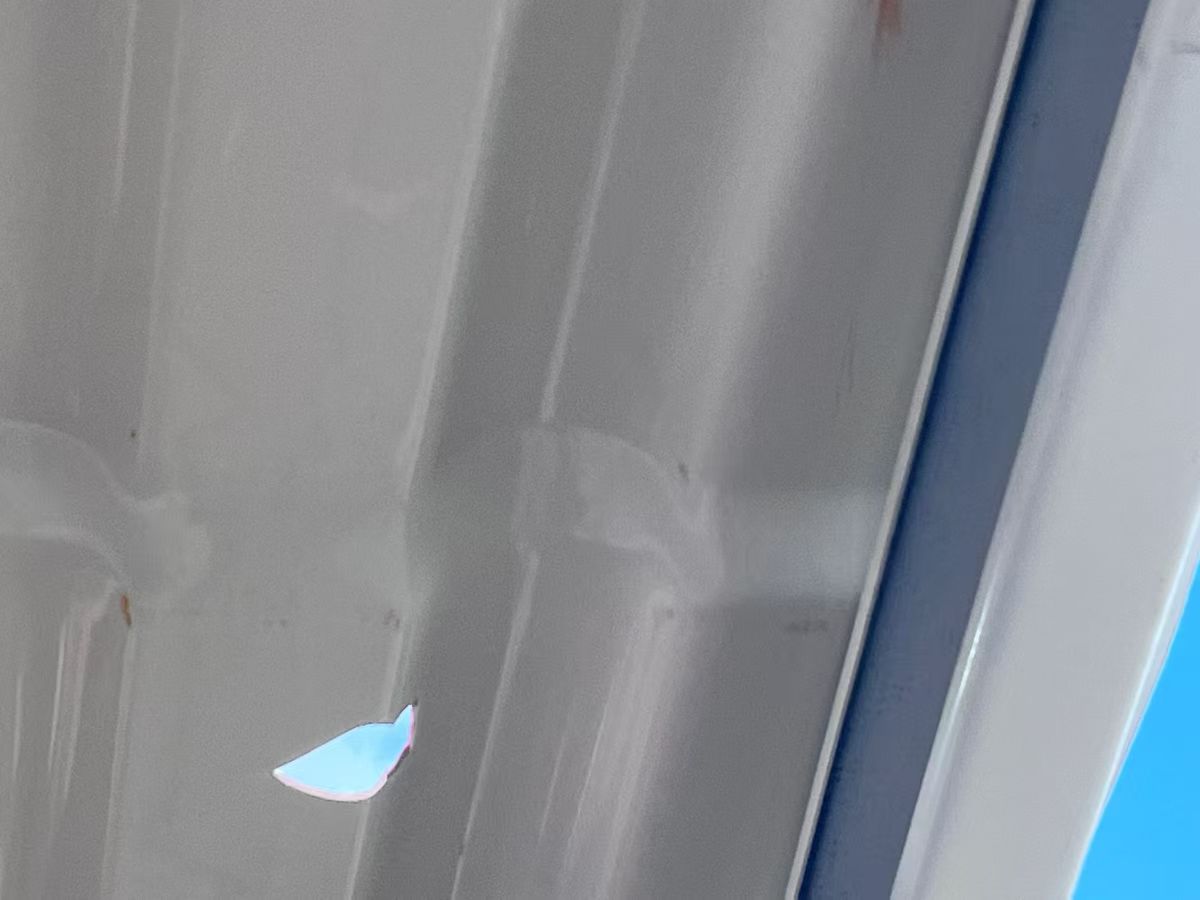
In many cases, leading manufacturers are able to maintain high quality while still reducing costs through technological advancement rather than material compromise.
Conclusion
The continuous decline in plastic roof tile prices has a complex impact on product quality. While some low-end products may experience reduced durability due to cost-cutting measures, the overall industry is also pushed toward technological innovation and efficiency improvements.
For customers, the key is not only to focus on price but also to evaluate material composition, UV protection level, thickness, certifications, and supplier credibility. For manufacturers, maintaining a balance between cost control and quality assurance will be essential for long-term competitiveness in an increasingly price-sensitive market.